
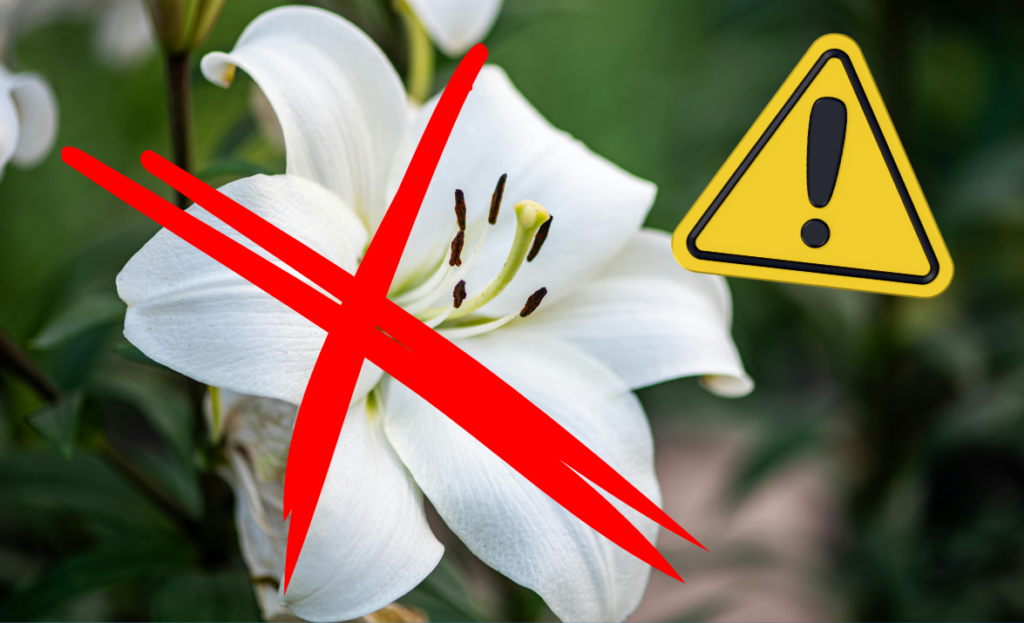
Is your garden safe for your cat? Even beautiful plants like lilies can be dangerous—learn what to avoid and what to grow instead.
Having just recovered from my own bout of food poisoning, I was reminded of the many dangers that lurk outside for our little kitties. If any of your four-legged family members are like a couple of mine – sometimes more like Billy goats than obligate carnivores (a couple of mine love a good spider plant!) – then the summer garden could turn into a potential minefield. With the season in full bloom, many cat owners are spending more time outdoors, tending to their flower beds and enjoying the vibrant colors and scents of their gardens. However, it’s important to be aware that some of the beautiful flowers and plants that enhance our gardens can pose serious health risks to our feline friends. Cats are naturally curious creatures, and their exploration can sometimes lead to unintended ingestion of toxic plants. So, let’s quickly take a look at some common garden flowers that are harmful to cats, how to prevent exposure, what to do if your cat encounters these dangers, and some flowers that are cat-friendly.
Common Toxic Flowers and Plants
While a garden can be a delightful place for both you and your cat, certain plants can be hazardous. Some common garden flowers that are toxic to cats include:
- Lilies (Lilium and Hemerocallis species)
- Every part of the lily plant is toxic to cats (including pollen that can fall on your cat’s fur as he/she passes by!), and ingestion can cause kidney failure.
- Symptoms: vomiting, lethargy, and loss of appetite.
- Azaleas and Rhododendrons
- While cat’s don’t usually snack on these plants, they contain grayanotoxins which can affect you cat’s cardiovascular system.
- Symptoms: drooling, vomiting, diarrhoea, and in severe cases, coma or death.
- Tulips and Hyacinths
- While a little nibble on a leaf or petal may lead to only mild gastrointestinal symptoms, larger quantities and especially the bulbs of both these flowers are toxic. They containing alkaloids that can cause significant harm.
- Symptoms: drooling, nausea, and difficulty breathing.
- Foxglove (Digitalis purpurea)
- Contains cardiac glycosides that can affect heart function.
- Symptoms: vomiting, diarrhoea, and heart arrhythmias.
- Irises & Gladioli
- About a year ago I was horrified that a European shoe company I had come to like came out with a new design: a cat in the midst of a bunch of irises – chewing them! I was aghast. Both irises and gladioli can cause irritation when eaten. Like many popular spring flowers, the most toxic part is the bulb (corm) or rhizome.
- Salivation, vomiting, drooling, lethargy, diarrhoea.
For an older article that is still useful about spring/autumn bulbs check out:
https://www.aspcapro.org/sites/default/files/toxbrief_0802_1.pdf
Preventive Measures
To protect your cat from these dangers, consider the following preventive measures:
- Fencing and Barriers: Use physical barriers to prevent your cat from accessing areas with toxic plants.
- Safe Plant Alternatives: Opt for non-toxic plants like catnip, Russian sage, sedum or Irish moss which are safe and enjoyable for your cat. (Keep reading for flower suggestions!)
- Supervision: Keep an eye on your cat when they are in the garden, especially if you have toxic plants.
What to Do if You Suspect Exposure
If your kitty shows any of the above symptoms and may have come into contact with or ingested a toxic plant or flower, it’s always better to err on the side of caution. Keep in mind that in some cases (e.g., lily toxicity), your cat may seem to improve temporarily, while the toxin continues to work silently inside. Therefore, it’s crucial to act quickly:
- Remove Access: Prevent further ingestion by removing your cat from the garden area.
- Contact Your Veterinarian: Call your vet immediately for advice on the next steps.
- Poison Control Hotline: Have the number for a pet poison control hotline handy for emergencies.
- Monitor Symptoms: Watch for symptoms like vomiting, drooling, or lethargy and provide this information to the vet.
Creating a Cat-Friendly Garden
Awareness and proactive measures are key to ensuring that your garden remains a safe and enjoyable space for your feline friends. To transform your garden into a safe haven for your cat by:
- Planting Cat-Safe Flora: Include plants that are non-toxic and beneficial to cats.
- Providing Enrichment: Add catnip, spider plants, and other safe plants to create a stimulating environment.
- Ensuring Safety: Regularly check for and remove any new potentially toxic plants that may sprout.
Flowers that you can safely include in your garden include:
- Alyssum (Lobularia maritima)
- Asters (Aster species)
- Bachelor’s Buttons (Centaurea cyanus)
- Bee Balm (Monarda didyma)
- Calendula (Calendula officinalis)
- Cosmos (Cosmos bipinnatus)
- Gerbera Daisies (Gerbera jamesonii)
- Impatiens (Impatiens walleriana)
- Nasturtiums (Tropaeolum majus)
- Pansies (pansy orchids)
- Petunias (Petunia species)
- Roses (Rosa species)
- Snapdragons (Antirrhinum majus)
- Sunflowers (Helianthus annuus)
- Zinnias (Zinnia species)
And if you are looking to give kitty some green enrichment in addition to the standard catnip or spider plants, the following herbs and grasses are excellent choices for a cat-friendly garden:
- Basil (Ocimum basilicum)
- Dill (Anethum graveolens)
- Lemon Balm (Melissa officinalis)
- Oat Grass (Avena sativa)
- Parsley (Petroselinum crispum)
- Rosemary (Rosmarinus officinalis)
- Sage (Salvia officinalis)
- Thyme (Thymus vulgaris)
- Valerian (Valeriana officinalis)
- Wheatgrass (Triticum aestivum)
Lastly, if in doubt, the ASPCA has a great website where you can check out specific flowers and plants: https://www.aspca.org/pet-care/animal-poison-control/cats-plant-list
So, are you ready to head outdoors and make your garden a purrfect environment for your kitty to explore? Carefully choosing cat-friendly plants and herbs to add beauty and enrichment to your outdoor space while being aware of potential hazards will give you the peace of mind to enjoy the outdoors with your furry companion – safely and confidently.
Happy gardening and have a blooming great summer!
_________________________________________